
Condensation or Rising Damp? The Costly Mistake Wiltshire Homeowners Make
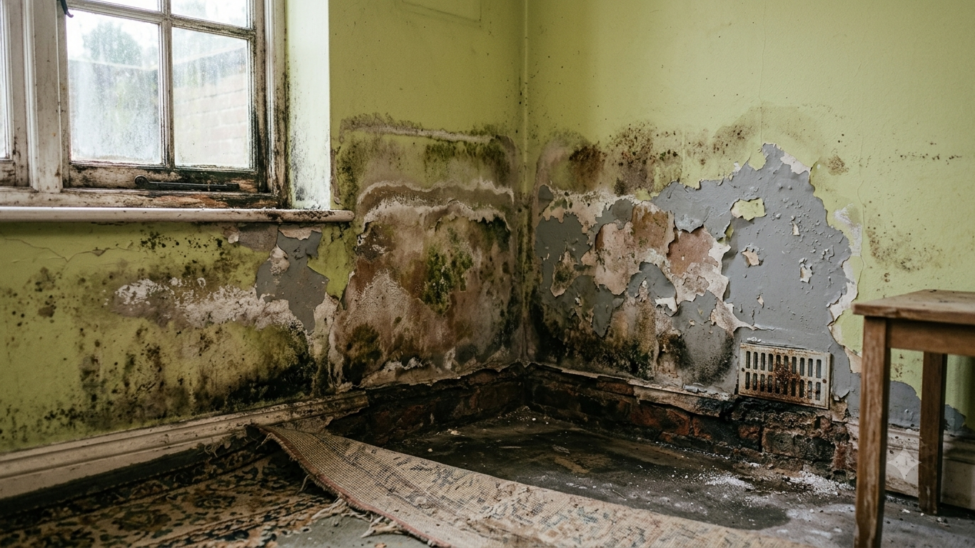
You wake up on a cold morning, pull back the curtains, and notice a pool of water on the windowsill. A few weeks later, a faint musty smell appears, followed by black spots of mould in the corners of the room or peeling wallpaper near the skirting boards.
Your immediate reaction might be panic. Is it rising damp? Do I need an expensive damp-proof course?
If you call a traditional damp-proofing contractor, they might tell you exactly what you fear to hear—and hand you a quote for thousands of pounds to hack off your plaster and inject chemicals into your walls.
But at Wiltshire Damp Survey, we see a different story. In the vast majority of Wiltshire and Swindon homes we inspect, the problem isn’t groundwater rising up through the bricks. It’s lifestyle moisture that can’t get out.
Here is how to tell the difference between condensation and rising damp, and why getting an independent diagnosis can save you a fortune.
What is Rising Damp? (The Rare Culprit)
True rising damp occurs when groundwater travels upwards through porous masonry via capillary action. To stop this, modern homes have a physical plastic layer called a Damp Proof Course (DPC).
Because most properties built after the 1950s have an effective DPC, true rising damp is actually quite rare. When it does happen, it has very specific symptoms:
- The “Tide Mark”: Dampness that strictly originates from the floorboards and rarely rises higher than 1 metre up the wall.
- White Powdery Salt Stains: As groundwater evaporates, it leaves behind ground salts (nitrates and chlorides) that ruin plaster and paintwork.
- Decaying Skirting Boards: Wood rot and dampness specifically concentrated at the very base of the wall.
What is Condensation? (The Common Culprit)
Condensation happens when warm, moisture-laden air hits a cold surface (like an external wall or window) and turns back into water.
Modern home improvements—such as double-glazed PVC windows, blocked chimneys, and thick insulation—are great for keeping heat in, but they also turn houses into airtight boxes. Daily activities like cooking, showering, drying clothes indoors, and even breathing create litres of moisture that get trapped.
Tell-tale signs of condensation include:
- Black Mould: Aspergillus niger (black mould) thrives on the pure water created by condensation. It rarely grows in cases of pure rising damp, which contains salts that inhibit its growth.
- Streaming Windows: Water pooling on window sills or running down tiles in the morning.
- Random Patches: Damp patches appearing high up on walls, in corners, or behind large furniture where airflow is restricted.
Why a Misdiagnosis Costs You Thousands
This is where the problem lies: to a basic, cheap pronged moisture meter (the kind many free-survey contractors use), wet plaster looks the same regardless of where the water came from.
If a contractor misdiagnoses a severe condensation problem as rising damp, they will charge you to inject a chemical DPC. But because the actual issue is a lack of ventilation, the air will remain humid, the walls will stay cold, and the black mould will return within months. You will have spent thousands of pounds on invasive building work for absolutely no reason.
How an Independent Survey Protects You
At Wiltshire Damp Survey, we don’t sell ventilation systems, and we don’t sell chemical treatments. We have absolutely no financial interest in what the cure is—our only job is to give you the facts.
When we inspect a property in Swindon or across Wiltshire, we use advanced diagnostic tools to look at the whole picture:
- Relative Humidity & Dew Point Analysis: We measure the ambient air to see if the property’s climate is actively creating condensation.
- Thermal Imaging: We locate cold bridges in the structure where condensation is most likely to strike.
- Salts Testing: If necessary, we check the plaster for ground salts to definitively rule out or confirm groundwater issues.
Most of the time, the fix for condensation doesn’t require a builder. It requires simple adjustments to heating, introducing targeted extraction, or unblocking old air bricks to let the building breathe.
Get an Unbiased Answer
Don’t guess, and don’t risk a costly misdiagnosis. Whether you are dealing with a tenant dispute over mould, trying to buy a new home, or simply want to get rid of a musty smell in your property, get an expert, independent opinion first.
Stop worrying and start knowing. Wiltshire Damp Survey provides completely independent, unbiased damp and timber reports across Swindon, Wiltshire, and the South West. Contact Paul today on 01793 238738 or email paul@wiltshiredampsurvey.co.uk to arrange your expert diagnostic survey.